

What makes a city-building game truly captivating? Is it the intricate mechanics, the stunning visuals, or perhaps the freedom to create and manage your dream metropolis? These questions lead you to the exciting world of Cities: Skylines II—a game that promises not just a sequel but an enhancement of the beloved original.
The Evolution of City-Building Games
City-building games have been around for decades, evolving from simple pixelated towns to sprawling 3D metropolises. With each iteration, developers strive to push the envelope further. Cities: Skylines, released in 2015, marked a significant leap forward with its accessible gameplay, intricate systems, and stunning graphics. As you embark on your journey in Cities: Skylines II, you may wonder: how does this sequel elevate the experience?
The Legacy of Cities: Skylines
First, let’s take a moment to appreciate the monumental success of the original Cities: Skylines. It not only gained a huge fanbase but also set a benchmark for city-building simulations. You enjoyed the satisfaction of zoning areas, managing traffic, and ensuring your citizens were happy. The game was praised for its modding community, encouraging creativity and diversity.
Here’s a quick comparison to illustrate how the original laid the groundwork for its successor:
| Feature | Cities: Skylines | Cities: Skylines II |
|---|---|---|
| Map Size | Moderate | Vast |
| Transportation Options | Road and Public Transport | Expanded options, including Air and Sea Routes |
| Citizen Simulation | Basic | Advanced with realistic behaviors |
| Graphics | Good | Stunningly enhanced |
| Modding Support | Extensive | Continued support with new assets |
What’s New in Cities: Skylines II?
Jumping into Cities: Skylines II, you’ll immediately notice that everything feels bigger and better. It’s not merely about new content but also about redefining how you engage with your city. If you loved creating and managing, the sequel amplifies those elements significantly.
Enhanced Visuals
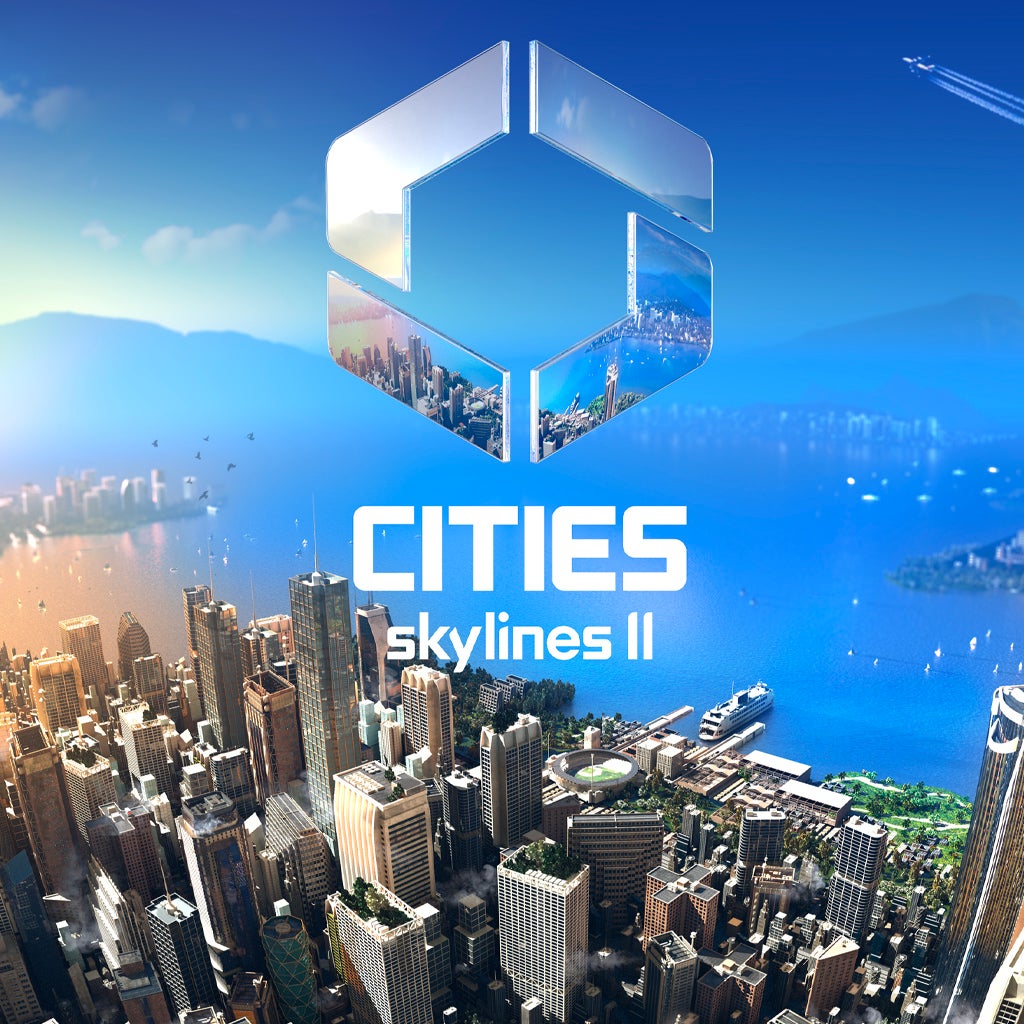
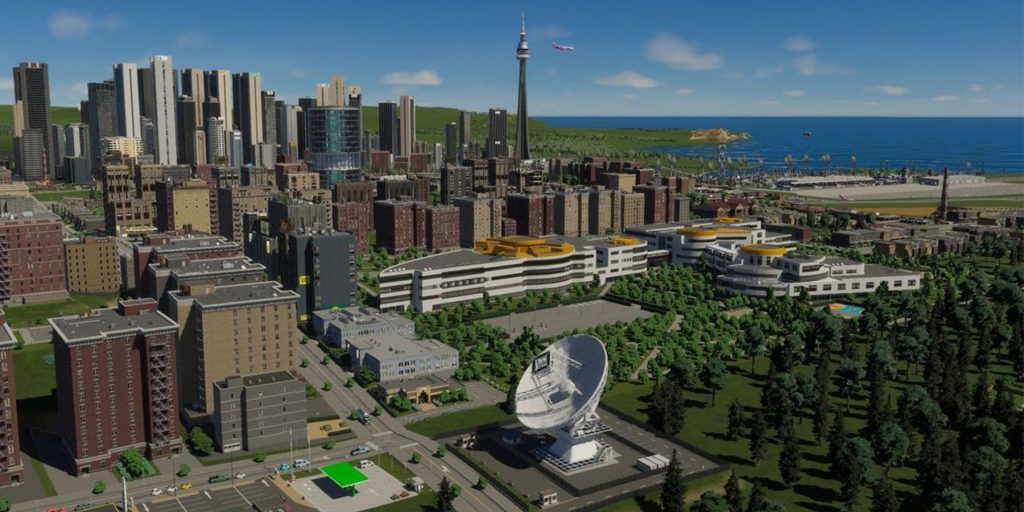
The graphics in Cities: Skylines II are nothing short of breathtaking. You’ll observe nuanced details—from individual buildings to the lush greenery of parks, each element is visually striking. Enhanced lighting and weather effects add realism, making you feel even more immersed in your creations. Watching the sunset over your city or a rainstorm wreaking havoc on traffic can be a mesmerizing experience.
Expanded Map Options
Cities: Skylines II gives you the opportunity to build on larger maps. More expansive territories allow for creativity that was previously limited. Your cities can sprawl across mountains, rivers, and coastal regions, giving you ample space to design unique layouts. The scale changes how you think about city planning and resource management, urging you to adopt a city-wide perspective.
Advanced Transportation Systems
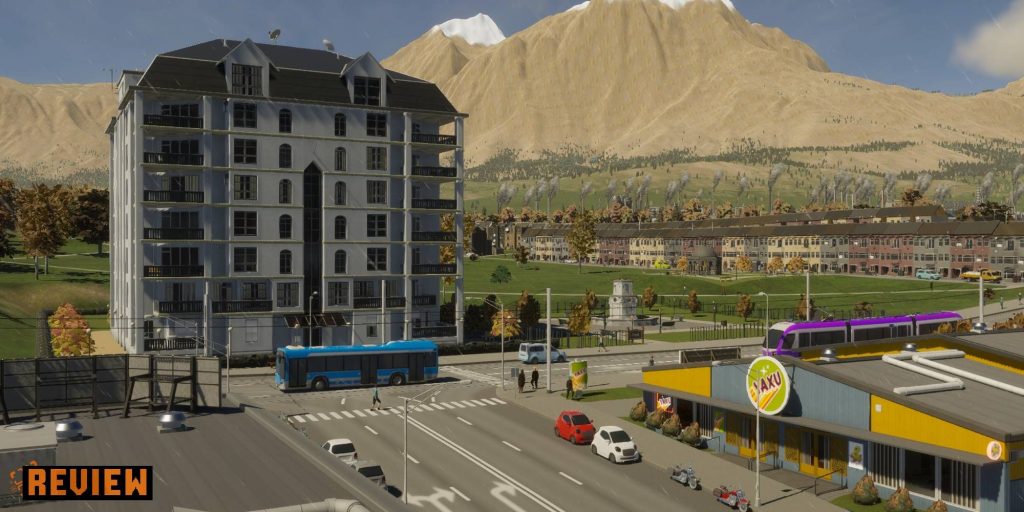
Transportation is vital to a thriving metropolis. In Cities: Skylines II, your options have expanded immensely. You can now utilize air routes, sea ports, and advanced public transport systems. You’ll face the challenge of creating efficient paths that minimize congestion while ensuring your citizens can commute comfortably.
Realistic Citizen Behavior
One of the standout features of Cities: Skylines II is its advanced simulation of citizens’ behavior. Your decisions now carry more weight, as each citizen has unique needs, preferences, and routines. You may find that managing happiness requires attention to particular interests within different neighborhoods. For example, urban professionals may want vibrant entertainment options, while families may prioritize parks and schools.
Seasons and Environmental Impact
The introduction of seasons doesn’t just offer aesthetic variety; it impacts gameplay as well. You’ll need to adapt to changing climates—winter might mean snow removal, while summer could invoke water shortages. This dynamic challenge makes it crucial to think on your feet while planning infrastructural developments.
Engaging in City Management
At the heart of Cities: Skylines II lies city management—how you curate a city that flourishes. Expectations are higher, and as a player, your strategic thinking will be put to the test.
Zoning for Success
Zoning is foundational in city-building games. In this sequel, zoning is more nuanced with the introduction of specialized districts. You can create high-tech zones that encourage innovation or cultural districts that promote artistic expression. Tailoring zones to attract specific industries or lifestyles can lead to a more prosperous city.
The Economy: Making Smart Financial Choices
Managing your city’s economy is essential, and Cities: Skylines II introduces deeper financial options. Balancing budgets while investing in infrastructure will determine your city’s growth trajectory. Think strategically about where to allocate funds for public services, as your citizens will respond accordingly.
| Economic Factor | Considerations |
|---|---|
| Taxes | Balancing income without alienating citizens |
| Services | Ensuring adequate services like healthcare and education |
| Infrastructure Investment | Prioritizing roads, public transport, and utilities |
Handling Disasters
Disasters are part and parcel of urban life, and they introduce thrilling challenges. Cities: Skylines II incorporates new disaster management mechanics. You’ll need to prepare your city for potential calamities—natural disasters, economic downturns, or even social unrest. How you respond to these events can mature your leadership skills and resilience in city planning.
Engage with the Community
Another exciting aspect of Cities: Skylines II is the emphasis on community building—both in-game and out. From creating unique neighborhoods to collaborating with players worldwide, the sense of community enriches the experience.
User-Generated Content
If you enjoyed the modding community in the original, you’ll love the opportunities afforded in the sequel. You can create and share custom assets like buildings, parks, or entire districts. This includes the ability to modify game mechanics or introduce new challenges, expanding the game’s longevity and versatility.
Collaborating with Players
Cities: Skylines II promotes an engaging multiplayer experience. You can set up shared cities, tackling challenges with friends or competing against each other to design the most efficient metropolis. This adds a layer of competitive excitement, encouraging creativity and collaboration.
Tailoring Your Experience
One of the great things about Cities: Skylines II is that it allows for a highly personalized gaming experience. You can design your city the way you want, whether you prefer a sprawling metropolis filled with skyscrapers or a quaint town surrounded by nature.
Customization Options
From customizing the appearance of individual buildings to the overall theme of your city, the options are extensive. You can adjust the architectural styles and infrastructure designs to reflect cultural influences or personal preferences. Design your dream city, one building at a time!
Game Difficulty Levels
Not everyone has the same amount of time or expertise, and Cities: Skylines II caters to different playstyles. You can adjust difficulty settings according to your preferences. Whether you’re looking for a casual experience or a challenging simulation, the game provides a tailored approach to city management.
Tips for Building a Thriving City
As you embark on your journey in Cities: Skylines II, it’s helpful to have a few strategies in mind. Here are some practical tips to keep in mind while building your city:
Start Small, Think Big
When beginning your journey, it’s wise to start small. Build a few neighborhoods, manage essential services, and understand how the city’s basic mechanics work. As you become comfortable, gradually expand your vision to include larger projects, ensuring your financials remain stable.
Invest in Public Transport Early
Creating an efficient public transport system from the beginning is crucial. It will help reduce traffic congestion, improve citizen happiness, and create better connections throughout your city. Consider multiple transportation options to provide flexible solutions for your growing population.
Balance Zoning Types
Finding the right balance between residential, commercial, and industrial zones is key to success. Too much of one type may lead to issues like job scarcity or overcrowding. Regularly assess your zoning layout and make adjustments based on your city’s evolving needs.
Prioritize Citizen Satisfaction
Keep an eye on your citizens’ needs and feedback. Three fundamental aspects will always matter: education, healthcare, and safety. Investing in these areas will ensure citizens remain satisfied and engaged, fostering a thriving community.
Conclusion: More Than Just a Sequel
As you venture into Cities: Skylines II, it becomes evident that it’s much more than a mere sequel. It’s an opportunity to experience a renewed, multifaceted city-building experience that makes the genre more immersive than ever. The improvements in graphics, mechanics, and community engagement set a new standard for city simulation games.
With every street you lay down and every building you erect, you’re not just constructing a city; you’re building a unique experience tailored to your vision. Whether you prefer a bustling metropolis or a serene town, Cities: Skylines II invites you to craft your dream reality.
So, grab your virtual blueprint, put on your architectural hat, and prepare to create the city of your dreams in this exciting sequel. Your urban exploration awaits!